Are Enhanced DBS Checks Enough? A Critical Analysis of Modern Background Screening
Table of Contents
- Are Enhanced DBS Checks Really Enough?
- What Is an Enhanced DBS Check?
- Why Background Screening Still Matters
- What Enhanced DBS Checks Cover and What They Don’t
- Where the Gaps Begin
- Timelines, Requirements, and Cost
- How to Conduct an Enhanced DBS Check Online
- Why a Single Check Is No Longer Enough and How to Build a Smarter Approach
- What the Data Actually Shows
- FAQs
- Conclusion
Are Enhanced DBS Checks Really Enough?
An enhanced DBS check is the most detailed criminal record check available in the UK. It is used for roles that involve working with children or vulnerable adults, or for positions of serious trust. It provides employers with a verified record of an individual’s officially recorded past before a hiring decision is made. But that leads to an important question: does a clear enhanced DBS result actually mean everything is fine?
Not always. An enhanced DBS check only shows what has been officially recorded. It cannot show what was never reported, what happened in another country, or how someone’s behavior has changed over time. This blog breaks down what an enhanced DBS check covers, its limits, how long it takes, what it costs, how to conduct an enhanced DBS check online, and what a smarter, more complete screening approach looks like in 2026.
What Is an Enhanced DBS Check?
The Disclosure and Barring Service, or DBS, is the UK government body responsible for processing criminal record checks. An enhanced DBS check is the highest level of DBS check available and is typically required for roles involving regulated activity with children or vulnerable adults. It gives employers a more detailed view of an individual’s criminal record history before making a hiring decision.
An enhanced DBS check can include:
- Both spent and unspent convictions held on the Police National Computer, or PNC.
- Cautions, reprimands, and warnings.
- Relevant information held by local police forces, where chief constables may disclose intelligence not held centrally.
- Barred list checks for children and or adults, where the role qualifies as regulated activity
It is also important to understand what regulated activity means in this context. In simple terms, it covers certain roles, such as teaching, healthcare, personal care, and supervising children, where an enhanced DBS check with the relevant barred list check is required by law.
The difference between a standard DBS check and an enhanced DBS check is significant. A standard check shows convictions and cautions, while an enhanced check may also include relevant local police information and, where applicable, barred list checks, giving employers a more complete picture of what is officially on record.
Why Background Screening Still Matters
Background screening remains an essential part of responsible hiring. In sectors such as education, healthcare, care services, transport, and financial services, employers are expected to make informed decisions that protect the people they serve. A proper screening process helps organizations reduce risk, strengthen trust, and meet legal and regulatory expectations.
The risks of skipping or cutting corners on screening are real. When employers fail to carry out appropriate checks, the consequences can be legal, reputational, operational, and financial. In safeguarding settings especially, a weak hiring process can expose vulnerable people to avoidable harm.
This is why background screening is no longer viewed as a simple administrative step. It is a core part of how responsible organizations operate. A well-run process shows that an employer takes hiring standards seriously and understands that trust should be supported by evidence, not assumptions.
What Enhanced DBS Checks Cover and What They Don’t
What It Covers
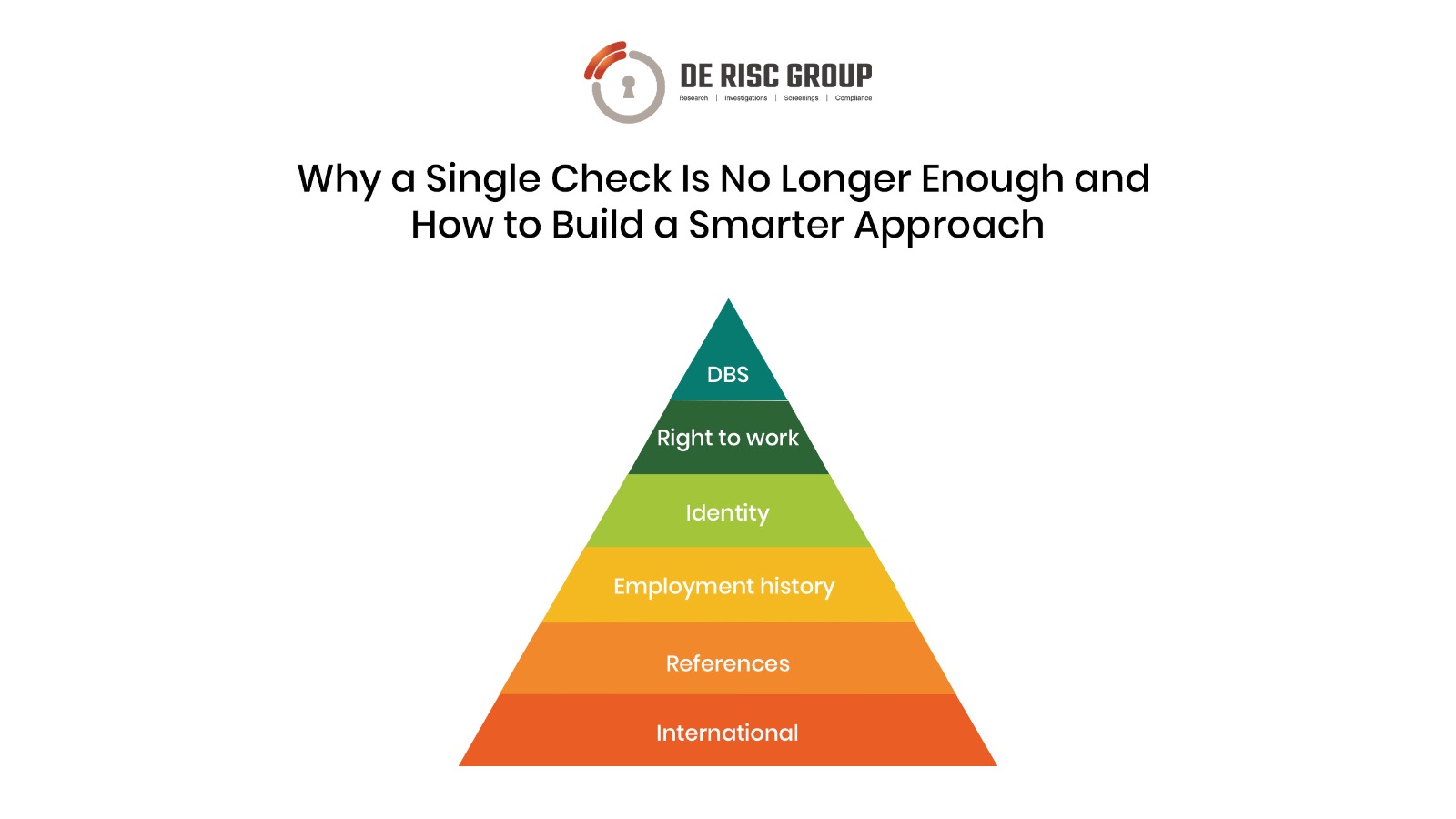
The enhanced DBS check pulls data from the Police National Computer, which holds conviction and caution records across England and Wales. In addition, local police forces can add information they hold locally. This is the part that makes it genuinely different from any other level of check. A chief constable can disclose information that is not a conviction or a caution, but which they believe is relevant to the role. This could include intelligence about concerning behavior that was investigated but never charged.
The barred list check, available only with enhanced checks for regulated activity roles, shows whether an individual has been formally barred from working with children or vulnerable adults. Being on the barred list means an employer cannot legally place that person in a regulated activity role. This is one of the clearest safeguards in UK hiring law.
The Rehabilitation of Offenders Act 1974 determines which convictions are spent, meaning they no longer need to be disclosed in most circumstances. For enhanced checks, however, both spent and unspent convictions may be disclosed where relevant, which is one reason this check level is reserved for roles of genuine trust.
What It Doesn’t Cover
A DBS check does not provide a complete view of every hiring risk. It mainly relies on UK-based records, so it is unlikely to show offences committed overseas, which is why separate overseas checks may still be needed for candidates who have lived or worked abroad. It also cannot reveal incidents that were never reported to the police, as there would be no official record to assess.
In addition, a DBS check does not verify employment history, explain gaps in a CV, or assess workplace conduct such as disciplinary or performance issues. It reflects information available at the time it is issued, so a clear result should be seen as one part of a wider screening process rather than a complete picture. For a more complete and reliable approach, many employers combine DBS checks with identity verification, reference checks, and employment screening through providers such as DE RISC GROUP.
Where the Gaps Begin
The main limitation of an enhanced DBS check is that it reflects what has been formally recorded. That leaves important gaps. What about incidents that were never reported? What about someone who has lived and worked in multiple countries? What about concerns that never resulted in a criminal record but may still matter for a role involving trust, care, or responsibility?
These are not theoretical issues. They are practical hiring risks that employers across education, healthcare, financial services, and other regulated sectors face every day. A clean certificate may be reassuring, but it does not answer every question an employer should ask.
The enhanced DBS check online process has made applications faster and more accessible. The DBS Update Service is also useful because it allows employers to check whether a certificate is still current without the individual needing to reapply. Even so, the result still depends on what the original check captured. That is why understanding the gaps is not about criticizing the system. It is about using it wisely and knowing where additional checks are needed.
Timelines, Requirements, and Cost
How Long Does an Enhanced DBS Check Take?
In many cases, when processed by a registered body, an enhanced DBS check is completed within 4 to 8 working days of application submission. However, where records need further review or local police input is required, the process can take longer.
Delays most commonly happen when an applicant has lived at multiple addresses, when previous names are not declared, or when local police forces need more time to assess relevant information. For that reason, building some flexibility into the hiring timeline is always sensible.
What Is Required to Apply?
The application itself is usually straightforward, but accuracy matters. Typical requirements include:
- Full legal name and any previous names
- Job role and workforce type
- Current and previous addresses
- Date of birth
- National Insurance number
- Identity documents for verification
Even small errors, such as a missing middle name or an incomplete address history, can delay the process. Careful data entry at this stage helps avoid unnecessary setbacks.
What Does an Enhanced DBS Check Cost?
The cost of an enhanced DBS check depends on the route used and whether any administrative fees are added by the registered body or service provider. For employers, the real cost is often not just the application fee itself, but the operational impact of delays, repeat submissions, and slow onboarding.
That is why efficiency matters. A poorly managed check can hold up recruitment, increase admin time, and create avoidable friction for both the employer and the candidate.
How to Conduct an Enhanced DBS Check Online
Carrying out an enhanced DBS check online is usually a straightforward process when handled through a registered provider. While the exact steps can vary slightly depending on the platform, the overall process generally follows the same path from registration through to result delivery.
Step 1: Set Up Your Account
Start by creating an account with your chosen DBS checking provider. This gives your organization a central place to manage applications, track progress, and handle multiple checks more efficiently. Once the account is created, you can add your organization’s details and prepare the profile for use.
Step 2: Start a New Enhanced DBS Check
After logging in, go to the DBS check section and select the option to begin a new enhanced DBS check. You will then be asked to enter the candidate’s personal details, along with the job role and other information required for the application.
Step 3: Complete Identity Verification
The next stage is identity verification. The candidate is usually asked to provide documents that confirm their identity and address. These are reviewed as part of the application process to make sure the submitted details are accurate and complete.
Step 4: Review and Submit the Application
Before sending the application, check that all information has been entered correctly. Small mistakes in names, addresses, or supporting details can slow the process down. Once everything has been reviewed, the application can be submitted for processing.
Step 5: Track Progress and Receive the Result
Most online DBS systems allow employers to track the progress of an application through each stage. Once the check is complete, the DBS certificate is issued and sent to the applicant. Employers can then review the outcome as part of a wider and more informed hiring decision.
Why a Single Check Is No Longer Enough and How to Build a Smarter Approach
The most important shift in modern screening is this: a single check is no longer enough on its own. Not because DBS checks are unhelpful, but because hiring risks are more complex than one data source can capture.
A stronger approach uses layered checks that work together. That means looking beyond criminal record screening and verifying other parts of a candidate’s background that matter to the role.
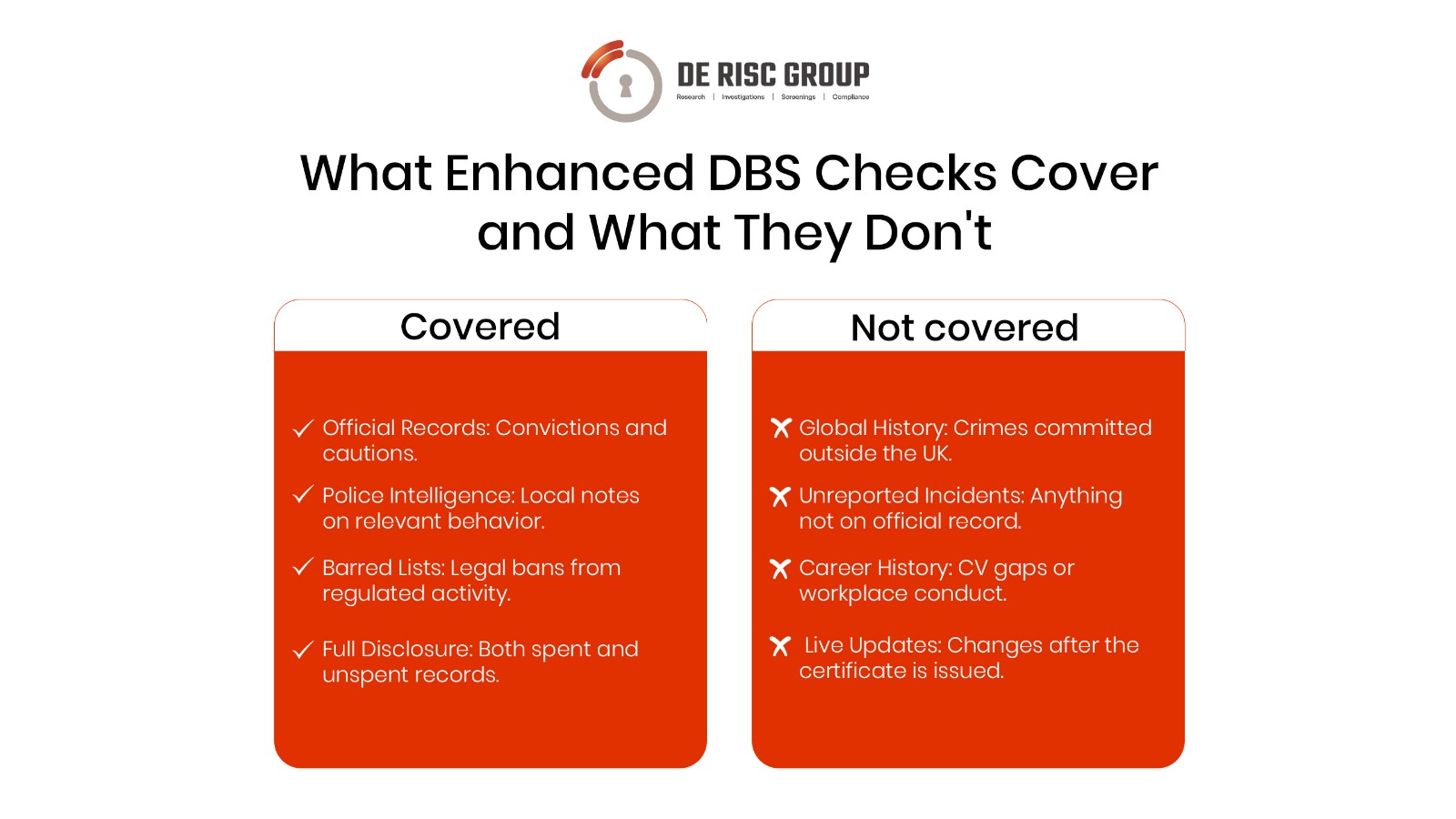
What a Layered Screening Approach Looks Like
- Enhanced DBS check as the foundation for regulated activity roles.
- Right to work check to confirm legal working status.
- Identity verification to confirm the person is who they say they are.
- Employment history validation to confirm that the CV is accurate.
- Reference checks to add context around conduct and performance.
- International screening for candidates who have lived or worked abroad.
This is not about adding extra steps for the sake of it. It is about making role-appropriate decisions about the level of scrutiny needed and then applying them consistently.
Take a healthcare example. A community nurse may have direct access to vulnerable patients in their homes. An enhanced DBS check with the adult barred list is essential. But employers who also verify employment history, check professional registration, and take structured references are building a much more complete picture of who they are hiring.
This is precisely the type of end to end approach that DE RISC GROUP specializes in as one of the best background screening companies in the UK. By combining enhanced DBS processing with a full suite of verification services, organizations can go beyond the certificate and make genuinely informed hiring decisions.
What the Data Actually Shows
An enhanced DBS check remains valuable, but it should be understood for what it is: a record-based screening tool. It helps identify relevant criminal history and safeguarding concerns where they are officially recorded, but it is not the only source of hiring risk.
In practice, risk often comes from areas a DBS check does not cover. That includes undisclosed employment gaps, fabricated references, weak identity controls, poor oversight, and changes in personal circumstances after employment begins. These issues can matter just as much as a criminal record, especially in roles involving trust, access, and responsibility.
This does not reduce the value of an enhanced DBS check. It remains a key part of responsible hiring for regulated roles. What it does mean is that employers should ask a better question. Not just what does the check show, but what might we still be missing?
That is why some organizations are moving toward ongoing monitoring and periodic rechecking, especially in sectors where risk can change over time. A one-time check may support the initial hiring decision, but a smarter process recognizes that safeguarding and risk management do not stop on day one.
FAQs
Q1: What Is an Enhanced DBS Check?
An enhanced DBS check is the highest level of criminal record screening in the UK. It is used for roles involving regulated activity, especially where individuals work with children or vulnerable adults.
Q2: How Do You Get an Enhanced DBS Check?
An enhanced DBS check is usually applied for through an employer, registered body, or approved screening provider. Individuals cannot normally apply for this level of check on their own.
Q3: How Long Does an Enhanced DBS Check Take?
Many enhanced DBS checks are completed within several working days, but some take longer if additional review is needed or local police information must be considered.
Q4: Is an Enhanced DBS Check Enough on Its Own?
No. It is an important part of responsible hiring, but it works best when combined with identity checks, employment verification, reference checks, and other relevant screening steps.
Q5: Does a Clear Enhanced DBS Result Remove All Risk?
No. A clear result only reflects what has been officially recorded. It does not show unreported incidents, overseas history, workplace conduct issues, or future risk.
Q6: What Does an Enhanced DBS Check Show?
It can show spent and unspent convictions, cautions, relevant local police information, and barred list status where the role qualifies for that level of check.
Q7: Can Employers Carry Out an Enhanced DBS Check Online?
Yes. Many registered providers offer an online process that allows employers to start applications, verify identity, track progress, and manage checks more efficiently.
Conclusion
Enhanced DBS checks remain a key part of safer hiring in the UK, especially for roles involving children, vulnerable adults, and positions of trust. They offer valuable insight into recorded criminal history, but they do not show the full picture on their own.
That is why a stronger hiring process goes beyond a single check and includes identity verification, employment checks, and references. DE RISC GROUP supports this more complete approach, helping organizations make better informed and more confident hiring decisions.